2026-04-24
Under normal circumstances, intermittent catheterization does not cause pain. Patients who undergo the initial catheterization may experience a little discomfort, but this usually improves after getting accustomed to the procedure. By analyzing the causes of catheterization pain, corresponding measures can be taken to reduce the occurrence of pain during catheterization.
I. Causes of catheterization pain
1. Anatomical Factors
1.1 The urethra is richly innervated by nerves, with parasympathetic and sympathetic nerves distributed throughout the urethra. The bladder neck has abundant nerves and the mucosa is very sensitive to stimuli. Any foreign matter or inflammatory stimulation can cause urgency, pain during urination, as well as discomfort in the lower abdomen and perineum.
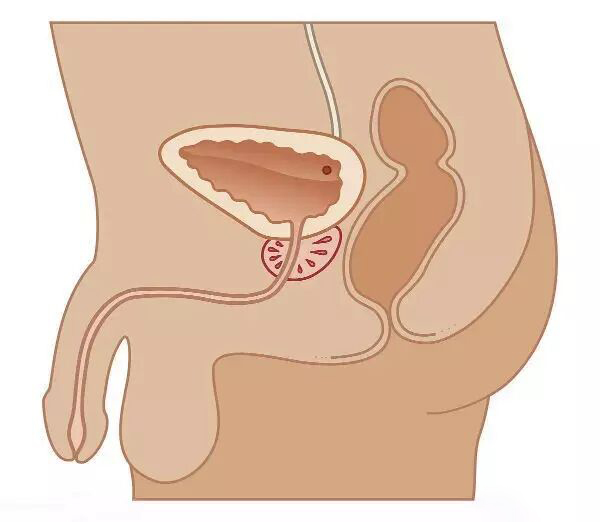
1.2 The entire male urethra is 16-22 cm long and has three narrow sections and two bends. During catheterization, the stimulation of the catheter causes intense contraction of the urethral sphincter, increasing the difficulty of insertion and causing pain.
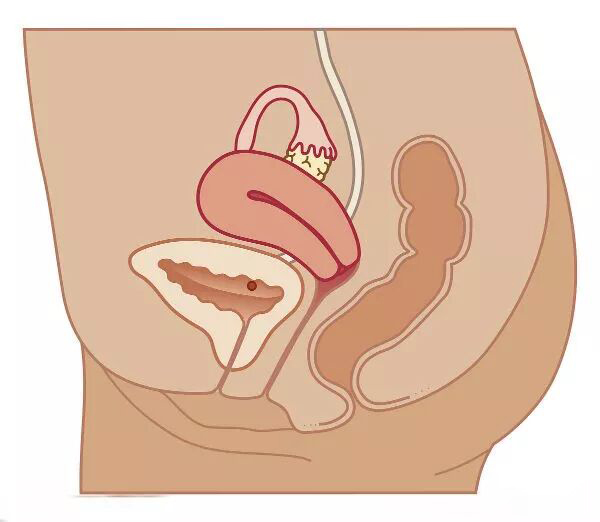
1.3 Compared to the male urethra, the female urethra is shorter, thicker, and straighter, without bends or narrow sections. Catheterization is relatively easier.
2. Pathological factors
Problems such as urethral deformity or stenosis can cause pain during catheterization. For example, male patients with benign prostatic hyperplasia may experience urethral stenosis, and during catheterization, they will feel pain and discomfort. If the patient already has urinary tract infection, catheterization may aggravate the pain. In such cases, it is necessary to seek medical treatment promptly to relieve the corresponding symptoms as soon as possible.
3. Psychological Factors
The patient's negative psychological states such as fear, anxiety, and shyness. During catheterization, excessive mental tension and dysfunction of the autonomic nervous system can cause urethral spasm when inserting the catheter, resulting in varying degrees of pain and discomfort. For patients using intermittent self-catheterization, this pain and discomfort will further intensify their emotional tension. They may constantly try different insertion angles and forcefully insert the catheter, which may cause urethral injury and even bleeding.
4. Urinary Catheter Factors
The quality of the urinary catheter is extremely important. If the entry end of the catheter is not smooth, has burrs, or is deformed, it will directly damage the urethral mucosa and cause pain. Additionally, if the type and model of the catheter are not selected appropriately, an overly thick catheter will cause certain irritation to the urethral mucosa, increase the resistance of the urethra, and result in pain after catheter insertion.
5. Operational Factors
The techniques and methods of catheterization are crucial, especially for male patients. When the urinary catheter passes through the curved and narrow areas of the urethra, if the angle of the penis is not adjusted in time and excessive force is used to forcefully insert it, it is very likely to cause urethral injury. Additionally, if the catheter is not adequately lubricated, it can also cause pain and discomfort during insertion.
The content of this article is sourced from the internet. The author assumes no responsibility for it. Without permission, copying is strictly prohibited.
|

浙公网安备33021202001967号