2026-03-31
Intermittent catheterization is regarded as the "gold standard" for dealing with neurogenic bladder dysfunction. During intermittent catheterization, the catheter is generally inserted smoothly, but occasionally there may be difficulties in insertion. The causes of insertion difficulties and the solutions are as follows
3. Urethral Obstruction
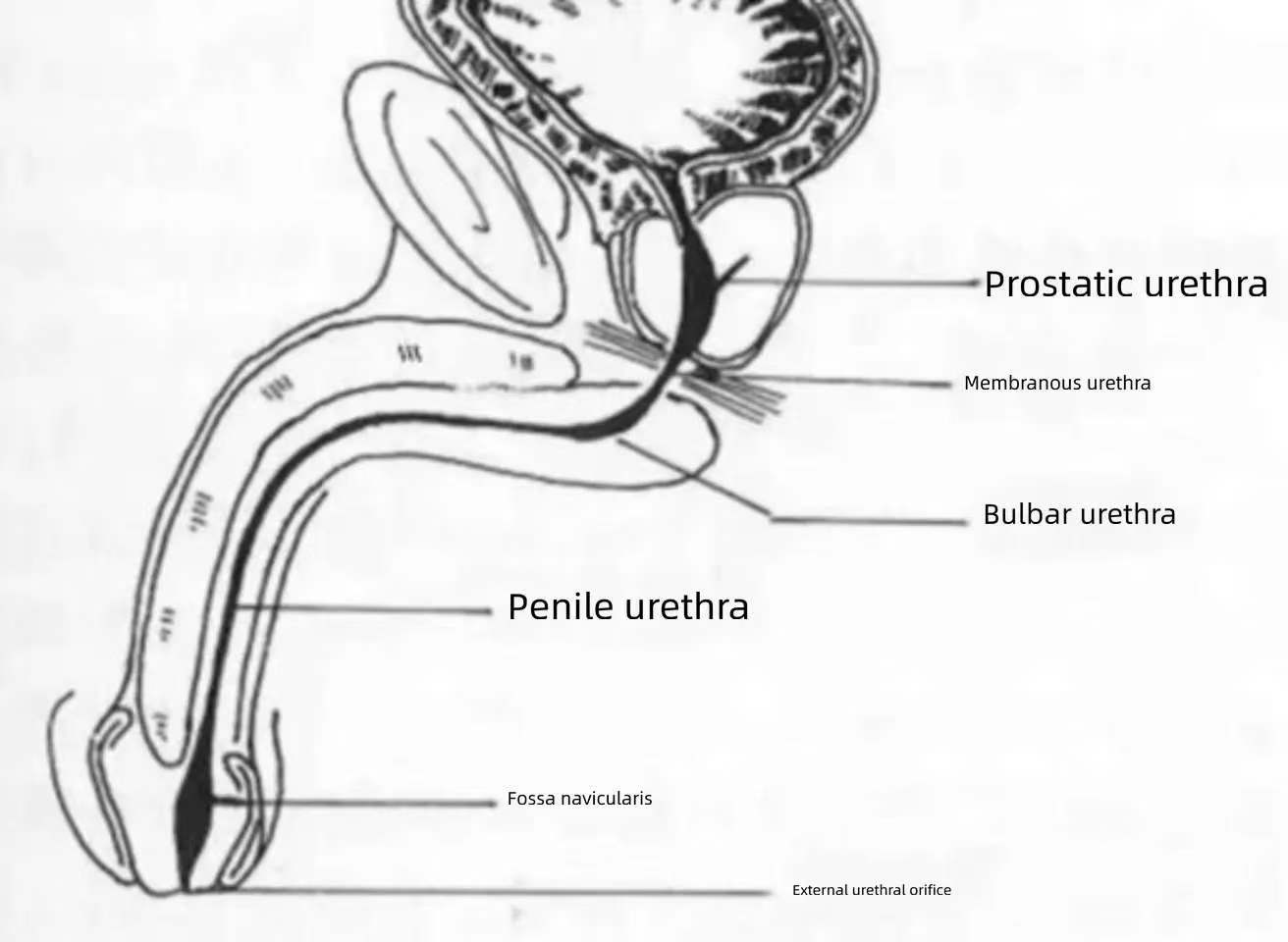
Urethral obstruction is the most common cause of difficulty in catheterization, including urethral stricture, urethral calculi, and prostate hyperplasia, etc. For those with slightly narrowed urethra, appropriately choosing a thinner urinary catheter is advisable. For patients with prostate hyperplasia, the urethra is compressed and deformed by the diseased prostate, which further increases the difficulty of catheter insertion. Using a curved-tipped urinary catheter is more ideal. When encountering resistance during insertion, slowly rotate the catheter and gradually increase the pushing force to make the catheter "slide" over the membranous part and advance forward, thus facilitating catheterization. For severe urethral obstruction, intermittent catheterization is not recommended. Instead, surgical treatment should be performed first, followed by intermittent catheterization.
4. The patient is emotionally tense.
The patient is mentally tense. During the insertion of the urinary catheter, the continuous urge to urinate causes spasms in the urethral sphincter, making the catheter insertion difficult. We should try to relax during the catheter insertion and eliminate the tension. Taking a hot bath or doing some relaxing exercises before catheterization will make one more relaxed. If there is resistance during insertion, try coughing a few times. If the patient is in a wheelchair, move to the edge of the wheelchair to relieve the pressure on the perineum and avoid compressing the urethra. Coughing or changing positions can help maintain relaxation and facilitate the insertion of the catheter.
During intermittent catheterization, situations where the catheter insertion is difficult occur in the above several cases. If the injured person encounters such situations, they can refer to these as a reference. Of course, if encountering difficulties in catheter insertion and having no effective solution on their own, seeking help from a professional doctor is definitely the safest solution. Do not operate blindly and forcefully insert the catheter.
The content of this article is sourced from the internet. The author assumes no responsibility for it. Without permission, copying is strictly prohibited.
|

浙公网安备33021202001967号