2026-03-31
At present, intermittent catheterization has become the preferred management method for neurogenic bladder worldwide and has been widely applied in clinical practice. During the catheterization procedure, the appropriate depth of the catheter insertion into the bladder directly affects the catheterization outcome. If the insertion is too deep, the catheter will coil, fold, or tip upwards in the bladder, preventing complete urine drainage and increasing the risk of bladder mucosa damage; if the insertion is too shallow, the side hole at the front end of the catheter will be located in the neck of the bladder or the posterior urethra, adhering to the mucosal layer, resulting in poor urine drainage. The insertion depth of the catheter varies for different catheterization populations.
1. Adult
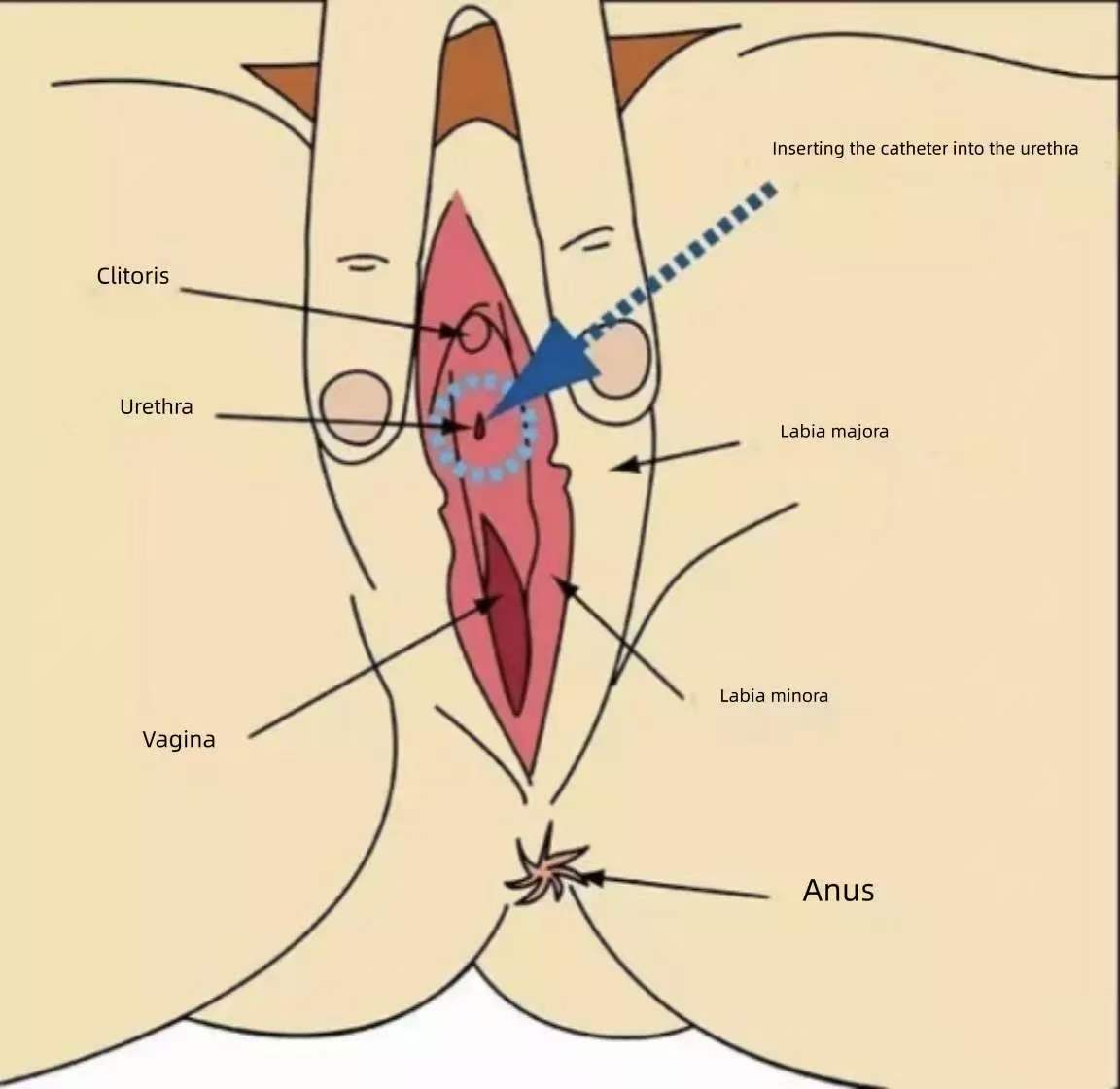
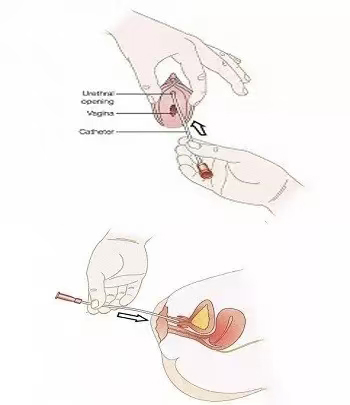
1.1 The urethral opening of adult females is located below the clitoris and above the vaginal opening, and it is thick and short. The length of the urethra in adult females is usually around 3 to 5 cm. When conducting catheterization, gently insert the catheter 4 to 6 cm, and after seeing urine flow out, insert it another 1 cm.
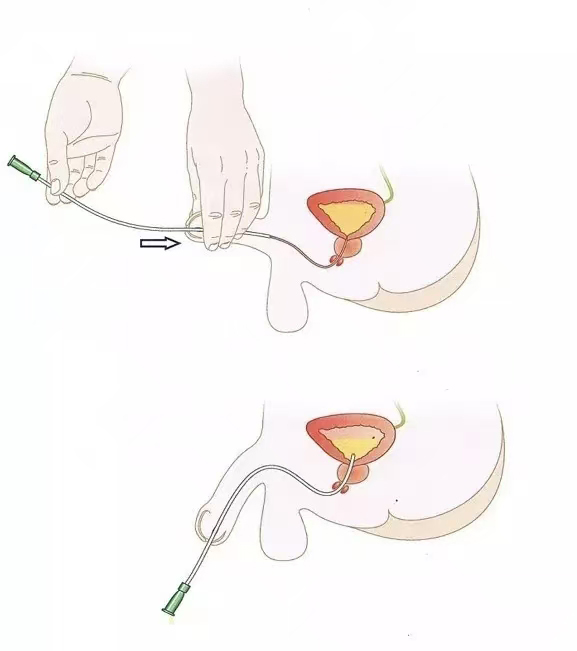
1.2 The male urethra is 17 to 20 cm long and has two bends: the anterior pubic bend and the posterior pubic bend; there are three narrow sections: the external orifice, the membranous part, and the internal orifice. During catheterization, one should be aware of these anatomical features. When inserting the urinary catheter, lift the penis to form a 60° angle with the abdominal wall, eliminate the anterior pubic bend, and ensure the smooth insertion of the catheter. The insertion depth should be approximately 20 cm. Once urine flows out, insert an additional 2 cm.
2. Children
2.1The anatomical characteristics of the urinary system in children are as follows: The bladder is located at a higher position. In newborns, the bladder is often pear-shaped and situated above the pubic symphysis. In infants, the bladder is close to the anterior abdominal wall and gradually descends into the pelvic cavity as they grow older. In boys, the urethra is 5-6 cm long at the age of 1 and approximately 12 cm by the time of sexual maturity. In girls, the urethra is short, being only 1 cm at birth and can increase to 3-4 cm later.
2.2Due to the significant differences in the length of the urethra among boys of different age groups, there are currently no exact data or research reports available in both domestic and international fields regarding the insertion depth of endotracheal tubes for male infants and young children. It is recommended that when conducting catheterization for boys, the catheter should be slowly inserted until its front end exceeds the internal opening of the urethra. When urine begins to flow out, insert the catheter further by approximately 2-3 cm. At this point, the side hole of the catheter is located above the internal opening of the urethra within the bladder, allowing for smooth drainage of urine.
2.3When conducting a catheterization for female infants, the catheter should be inserted into the urethra of the child about 1.5 cm first. Once urine starts to flow out, the insertion should be continued by another 0.5 cm. In this way, the catheter will be approximately 2 cm deep in the bladder, which is an appropriate insertion length suitable for the infant's physiological structure. The side opening of the catheter will be exactly at the bottom of the bladder, allowing for the full drainage of the residual urine in the lower part of the bladder.
The content of this article is sourced from the internet. The author assumes no responsibility for it. Without permission, copying is strictly prohibited.
|

浙公网安备33021202001967号