2026-04-20
During intermittent catheterization procedures, there are occasional instances where the bladder is clearly full but the urine cannot be drained through the catheter. Although this situation is not very common, it is a problem that troubles some injured individuals. Today, let's discuss how to handle such situations.
1.Reasons for inability to perform catheterization
In general, apart from the situations where the urinary catheter is not properly functioning or not inserted correctly (such as when a female patient mistakenly inserts it into the vagina), there are two reasons why urine cannot be drained:
1.1 The urinary catheter has not entered the bladder
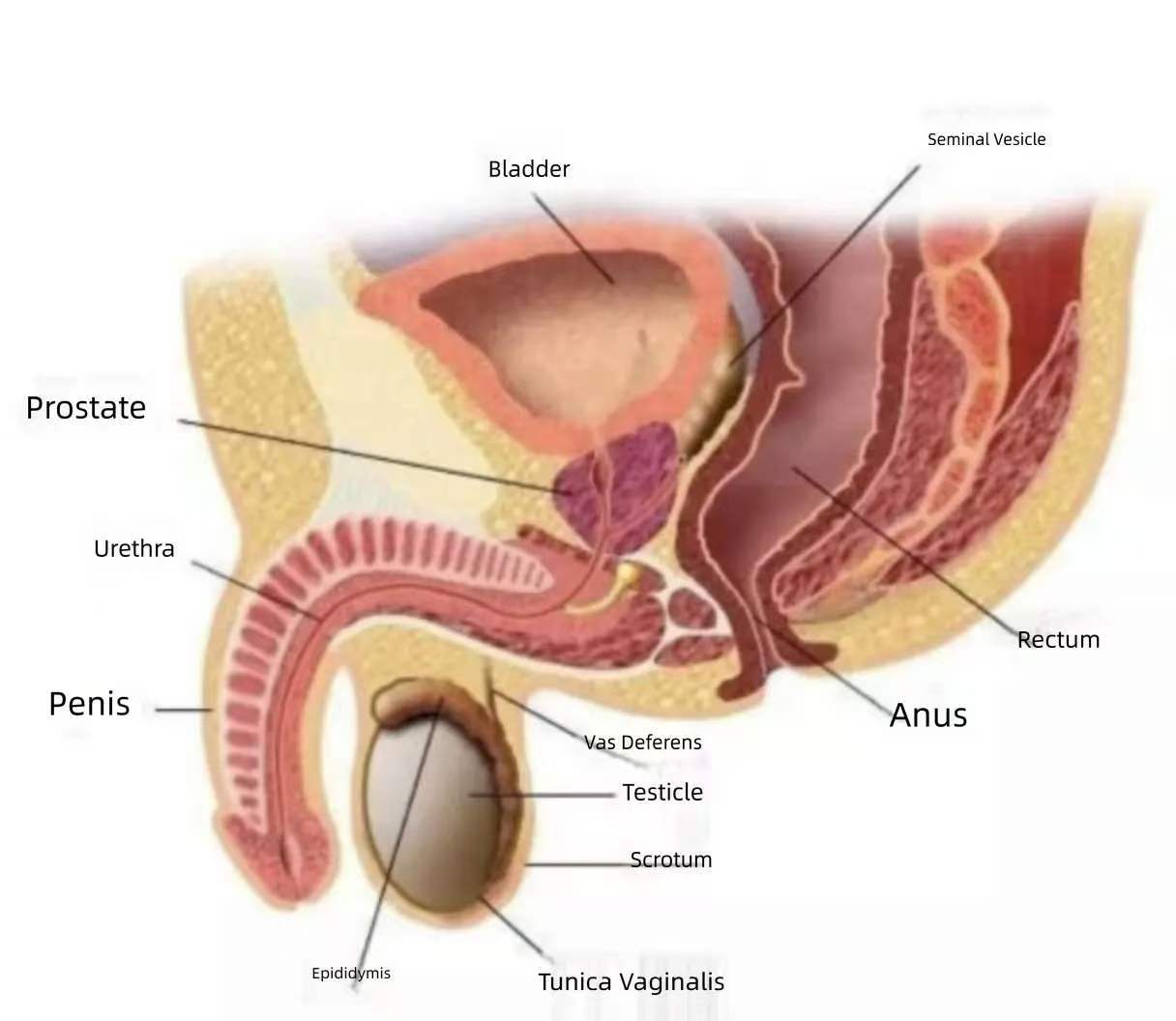
Usually, we determine whether the urinary catheter has entered the bladder based on the presence of urine flow. However, this is not always the case. For instance, if the urinary catheter is blocked at the neck of the bladder and the bladder is overfilled, the pressure is relatively high, and some urine can flow out. When the pressure decreases, there is no urine anymore. At this point, we cannot rely solely on the length of the insertion of the urinary catheter to make a judgment, because in special circumstances, such as pelvic lipomatosis, the position of the bladder and the prostate will be elevated. In severe cases, the entire urinary catheter may be inserted but the tip of the catheter still remains at the neck of the bladder.
1.2 The urinary catheter has entered the bladder.
If the patient has a hypertrophic prostate, long-term obstruction of the bladder outlet will cause the inter-ureteral ridge to rise. Coupled with the hypertrophy of the middle lobe of the prostate, sometimes after the urinary catheter enters the bladder, it will be pushed up. At this time, although the catheter is in the bladder, due to being pushed up, the head of the catheter will be against the anterior wall of the bladder, resulting in poor drainage. At this point, the urinary catheter in the bladder is often not at the lowest position, but at the highest position.
2. Solutions for Inability to Conduct Urination
The second situation is a contraindication for intermittent catheterization. In this case, other methods of urination such as indwelling catheterization should be adopted. When the first situation occurs, the following steps are recommended:
2.1 Ensure that the urinary catheter is adequately lubricated and the urethra is relaxed as much as possible. Try to make the insertion successful at one attempt.
2.2 You can insert the catheter deeper first, then gently pull it outwards to position the catheter in a more favorable drainage position.
2.3 When there is no urine being conducted, do not rush to remove the catheter. First, add water to check if the urethra is unobstructed. If it feels obstructed, gently insert the catheter deeper into the bladder and then try again to see if it is unobstructed. If it still doesn't work, you can remove it and reinsert it. Sometimes, the reason for not being able to conduct 200 ml of urine is merely a small blood clot or something blocking the catheter or the position of the catheter being just a little off. Adjusting the catheter can solve the problem.
3. Conclusion
When unable to urinate, first try to determine the cause by yourself - is it due to obstruction or some other reason? If obstruction causes difficulty in catheter insertion, then estimate the location of the obstruction first. If the obstruction is related to prostate hypertrophy and is located in the prostate or bladder neck, then switch to a prostate catheter (a more pointed curved-end catheter). By accurately positioning the curved end, there is a chance of successful catheter insertion.
If it can be determined that the urinary catheter has been inserted but no urine is being discharged, the first step is to manually rinse the bladder to check for any solid substances blocking it. Sometimes, some flocculent substances or urine sediment may form in the bladder, blocking the drainage hole and preventing urine from flowing out. In such cases, a larger-sized catheter can be tried. If a larger catheter is too thick to insert smoothly, a tube with a larger drainage hole would be more suitable. If the catheter is not blocked after testing, adjust the angle of the catheter and try changing the position. This should generally solve the problem. If necessary, seek help from a doctor.
The content of this article is sourced from the internet. The author assumes no responsibility for it. Without permission, copying is strictly prohibited.
|

浙公网安备33021202001967号