2026-04-27
The guidelines for neurogenic bladder care recommend that intermittent catheterization (IC) should be initiated in the early stage of neurogenic bladder (typically from the 8th to the 35th day after the onset of the disease), provided that the patient's condition is stable, no large-volume fluid infusion is required, the patient drinks regularly, and there is no urinary tract infection. The choice of intermittent catheterization interval and frequency can be based on the patient's own sensation, bladder capacity, residual urine volume, safe capacity, etc. Generally, the number of daily catheterizations should not exceed 6 times; as the residual urine volume decreases, the interval between catheterizations can be gradually extended. The appropriate timing and frequency of catheterization are crucial for the safety of bladder management. Currently, there are two commonly used methods to determine the timing and frequency of catheterization: the residual urine volume method and the bladder capacity method.
Residual urine volume method:
Residual urine volume > 300ml, conduct catheterization 5 times per day;
Residual urine volume 200 - 300ml, conduct catheterization 4 times per day;
Residual urine volume 150 - 200ml, conduct catheterization 3 times per day;
Residual urine volume 100 - 149ml, conduct catheterization 1 - 2 times per day;
Residual urine volume < 100ml, stop catheterization.
Bladder urine volume method:
Multiple studies suggest that the criterion for determining the timing of intermittent catheterization each day is as follows: perform intermittent catheterization at the designated urination time points; the amount of urine expelled each time should be less than or equal to the safe capacity of the patient's bladder (the safe capacity is obtained by conducting bladder volume measurements for the patient and is generally 400 to 500 ml).
Neurogenic bladder types:
When the bladder capacity increases, the pressure within the bladder remains at a low level and does not rise even when it reaches the maximum bladder capacity (with a perfusion volume of >500ml and a pressure of <40cmH2O, the patient has no urge to urinate and no leakage of urine), this is called a low-pressure large bladder (urinary retention); as the bladder capacity increases, the pressure within the bladder significantly rises (with a perfusion volume of <300ml and a pressure of < or equal to 40cmH2O, the patient experiences urine leakage) then it is called a high-pressure small bladder (urinary incontinence).
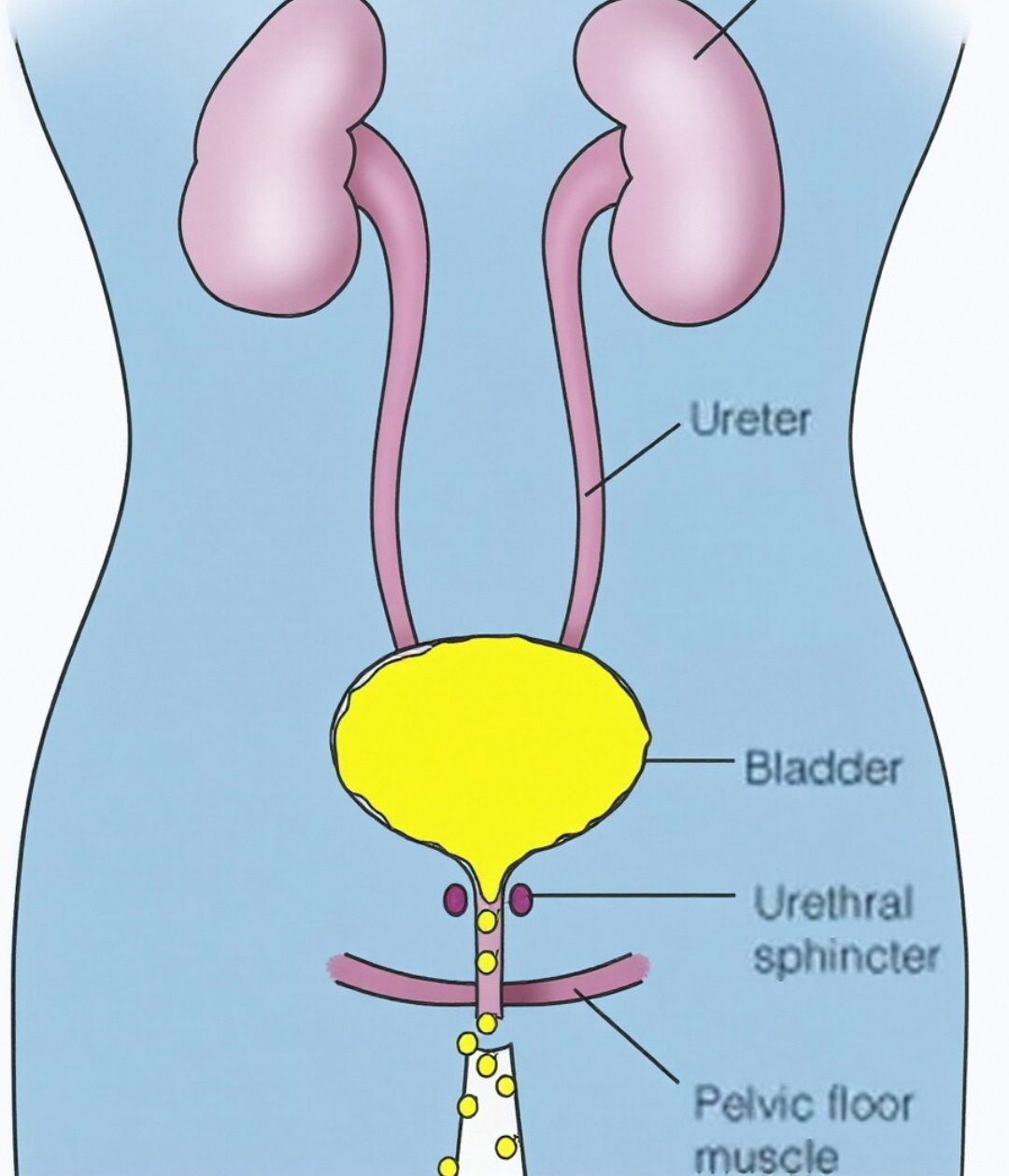 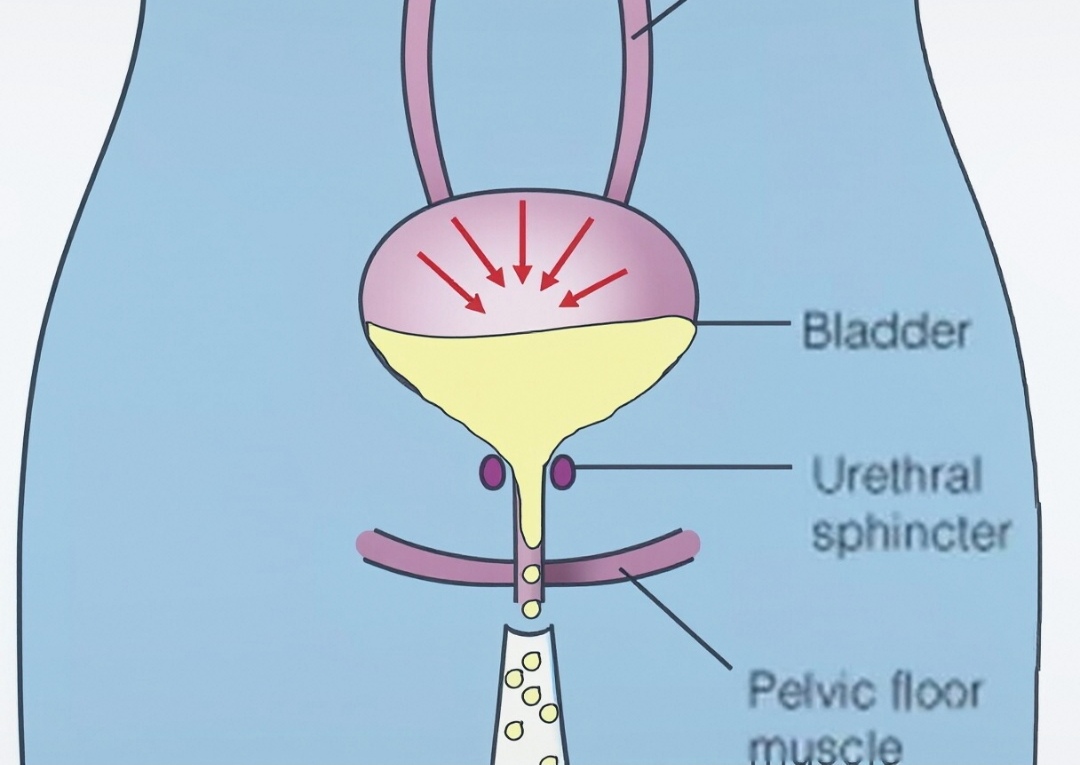
The simple bladder pressure measurement technique can determine the patient's bladder safety capacity and the type of neurogenic bladder. Based on the bladder safety capacity and type, the intermittent catheterization time and frequency are determined. For a large bladder, the catheterization time point is when the bladder storage volume reaches 500ml after continuous observation for 2 to 3 days; for a small bladder, intermittent catheterization begins after 2 to 3 days of indwelling catheterization, and the catheterization time point is when the bladder storage volume reaches the safety capacity after 2 to 3 days of observation. Before each catheterization, patients with normal bladder capacity should practice spontaneous urination when the bladder storage volume reaches 300 to 500ml.
By comparing the residual urine volume method and the bladder urine volume method to determine the intermittent catheterization time, the results showed that the bladder urine volume method is more conducive to improving bladder function and enhancing the quality of life. However, its applicability still requires further research.
The content of this article is sourced from the internet. The author assumes no responsibility for it. Without permission, copying is strictly prohibited.
|

浙公网安备33021202001967号